Three polymer areas, each with its own page
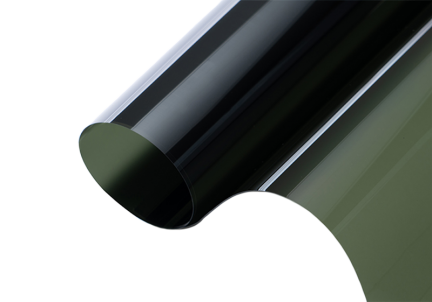
PET window film serves vehicles, commercial buildings, safety protection, and home decoration, and its page organises selection by those four uses. Lithium battery separator material serves the vehicle battery industry, and its page organises selection by battery application rather than by invented grades. Biodegradable plastic serves packaging and agriculture, and its page organises discussion by those two fields, with the mulch film page covering the MIC-listed custom biodegradable mulching film as a separate, attributed item.
The official site homepage shows further polymer column images, including PE battery separator, dyeing film, magnetron sputtering film, nano ceramic film, primary film, and several biodegradable bag names. Those names are listed on this index as column names only, with no detail page behind any of them. A buyer who recognises one of those names can mention it in the inquiry, and the company can confirm whether it matches a current line.
Choosing without invented grades
None of the polymer pages on this site invents a material grade, a thickness, a performance figure, or a product variant, because the source pages list the polymer areas without that detail. Instead, each page explains the questions that shape a good inquiry: the use, the surface or setting, the quantity range, and the documents needed for the destination market. That question-led approach gives a buyer a usable brief without dressing a column name up as a specification.
The polymer guides extend the same approach. The window film guide covers selection by vehicle, commercial building, safety, and home use. The battery separator guide covers selection by battery application. The biodegradable plastic guide covers packaging and agriculture uses. The polymer materials guide gathers the column names and the three main areas in one place, so a buyer who is still choosing between areas can compare them before opening a single product page.